Loading...

Blog Details

كيف تختلف العلامات التجارية الفيدرالية والولائية والدولية في الولايات المتحدة الأمريكية؟
تم النشر بتاريخ: May 10, 2023
تمتلك كل من Google و Nike و Facebook رموز علامات تجارية يمكن التعرف عليها بسهولة ومعروفة في جميع أنحاء العالم. لم يسمع أحد من قبل عن إساءة استخدام هذه العلامات. ولكن ماذا عنك؟ كيف تحمي شعارك الخاص أو اسمك أو شعارعلامتك اللفظي؟ هناك بعض التدابير لحماية العلامات التجارية من خلال "القانون العام". لكن من الصعب فرضها محليًا وعلى مستوى الولاية وعلى المستوى الوطني والدولي. في هذه المقالة، سنناقش ثلاث علامات تجارية مختلفة على مستوى الولاية والمستوى الفيدرالي والدولي.
ما هي العلامة التجارية؟
العلامة التجارية هي كلمات أو رموز أو عبارات أو تصميمات تميز سلعتك وخدماتك عن منافسيك. يتيح لك هذا استخدام علامتك التجارية حصريًا ويمنع الشركات الأخرى من استخدام علامة تشبه علامتك. تسجل الولايات المتحدة العلامات التجارية على مستوى الولاية والمستوى الفيدرالي. يتم منح العلامة التجارية للولاية من قبل مكتب الولاية، بينما يتم منح العلامة التجارية الفيدرالية من قبل USPTO (مكتب الولايات المتحدة لبراءات الاختراع والعلامات التجارية). يعد الحصول على علامة تجارية مسجلة للولاية أمرًا سهلاً وغير مكلف نسبيًا. ومع ذلك، قد يكون التسجيل الفيدرالي للعلامة التجارية مستهلكًا للوقت ومكلفًا للغاية.
في الولايات المتحدة، هناك ثلاث طرق لحماية العلامة التجارية على المستوى الوطني؛ إما من خلال تسجيل علامة تجارية فيدرالية، أو من خلال تسجيل علامة تجارية تابعة للولاية أو من خلال طلب دولي (اتفاقية مدريد) يحدد الولايات المتحدة. وفي هذه المقالة سوف نستعرض كلا النوعين من التسجيلات وشرح الاختلافات بينهما، والإيجابيات والسلبيات.
ما هي العلامات التجارية الفيدرالية؟
تشير العلامة التجارية الفيدرالية إلى العلامة التجارية المودعة في مكتب براءات الاختراع والعلامات التجارية بالولايات المتحدة (USPTO) والتي تغطي السلع والخدمات في الولايات المتحدة. يمنح هذا التسجيل الحماية الفيدرالية للعلامة التجارية التي تمثل نشاطًا تجاريًا أو عمل تجاري. على الرغم من أن العلامات التجارية هي في الأساس رموز وكلمات، يمكن أن تكون العلامة التجارية الفيدرالية لونًا أو رائحة أو صوتًا، وما إلى ذلك. يُطلق على القانون الفيدرالي الذي ينظم تسجيل العلامات التجارية في الولايات المتحدة قانون لانهام، وهو قانون اتحادي ينظم العلامات التجارية والمنافسة غير العادلة وعلامات التجارية للخدمة.
الجانب القانوني: يحدد قانون لانهام الإجراءات المتبعة في تسجيل العلامات التجارية اتحاديًا. وهي تحدد متى يكون لمالكي العلامات التجارية الحق في الحماية القضائية الفيدرالية ضد الانتهاك والمبادئ التوجيهية وسبل الانتصاف الأخرى. ينظم مكتب براءات الاختراع والعلامات التجارية الأمريكية (USPTO) ويشرف على تسجيل العلامات التجارية وعملية الصيانة. وتضع المحاكم الفدرالية قوانين تحكم وتوجه وتحل النزاعات حول قابلية تطبيق العلامات التجارية وملكيتها.
نطاق الحماية: يسمح التسجيل الفيدرالي بالاستخدام الحصري للعلامة في جميع أنحاء الولايات المتحدة وجميع ممتلكاتها وأقاليمها. وإذا اكتسب التسجيل الفيدرالي الأولوية على تسجيل الولاية بعلامة مماثلة، فإن التسجيل الفيدرالي يكون له الأسبقية. إذا كان هناك أي تعارض بين العلامات التجارية الفيدرالية والخاصة بالولاية، فمن المرجح أن تحكم المحكمة لصالح التسجيل الفيدرالي.
عملية إيداع العلامات التجارية الفيدرالية ومتطلباته:
العلامة التجارية الفيدرالية مسموح بها فقط في التجارة الدولية وبين الولايات. فيتضمن تسجيل علامة تجارية فيدرالية إيداع نموذج باسم المالك ونوع العلامة ووصف للاستخدام المقصود منها. وتعتمد الرسوم الحالية على نوع البضائع أو الخدمات المقدمة. فبمجرد اكتمال طلب إيداع العلامة التجارية، يقوم المحامي بفحصه وتحديد أي مشكلات. وتستغرق عملية الموافقة شهورًا أو حتى سنوات حتى تتم الموافقة على طلب العلامة التجارية الفيدرالية.
إيجابيات وسلبيات إيداع العلامات التجارية الفيدرالية في الولايات المتحدة:
أولا: - إيجابيات تسجيل العلامات التجارية الفيدرالية في الولايات المتحدة:
- الحماية في جميع الولايات القضائية للولايات المتحدة والممتلكات والأقاليم الأمريكية.
- ينشئ افتراضًا بأن تسجيل العلامة التجارية صحيح.
- يوفر نطاقًا أوسع من العلامات التجارية للولاية - تحمي العلامة التجارية الفيدرالية في جميع الولايات ، بينما لا يمكن حماية العلامة التجارية للولاية في ولايات أخرى.
- اشعار الغير عن استخدام العلامة.
- يسمح بمقاضاة المخالف فيدراليًا.
- يساعد في التسجيل الدولي.
- منع البضائع المقلدة من دخول البلاد.
- يوفر حماية قانونية أفضل من العلامات التجارية للولاية.
ثانيا: - سلبيات تسجيل العلامات التجارية الفيدرالية في الولايات المتحدة:
- أغلى من الحماية على مستوى الولاية - تتكلف ما بين 350 دولارًا أمريكيًا إلى 500 دولار أمريكي.
لمعرفة تفاصيل التكلفة قم بمراجعة موقعنا: https://www.easy-trademarks.com/en/userguidedetail/process-time-cost-of-trademark-registration-USA
- أصعب بكثير من تسجيل العلامات التجارية على مستوى الولاية.
- تستغرق وقتًا أطول - الوقت الذي يستغرقه تسجيل علامة تجارية على المستوى الفيدرالي أطول بكثير من الوقت المستغرق للحصول على الموافقة على علامة تجارية تابعة للولاية.
للتسجيل أو عدم التسجيل:
الأمر متروك لك لتقرير كيفية حماية علامتك التجارية. لا يوجد شرط لتسجيل علامتك التجارية. ومع ذلك، فإن تسجيل علامتك التجارية يحدد مدى حقوقك على النحو المبين في قانون لانهام.

العلامات التجارية التابعة للولاية:
تمنح العلامة التجارية للولاية للشركات وأصحاب العلامات التجارية الحق في علاماتهم التجارية داخل حدود ولاية واحدة معينة. ويمكن أن تختلف الحماية الممتدة من تسجيل الولاية من ولاية إلى أخرى، ولكن تم إنشاء قانون العلامات التجارية للولاية النموذجي كوسيلة لمواءمة قوانين الولاية مع القوانين الفيدرالية ومحاولة تجانس وتوحيد المزايا من تسجيلات العلامات التجارية المختلفة للولاية. لذلك، بينما يتغير نطاق حماية العلامات التجارية من ولاية إلى أخرى اعتمادًا على قوانين الولاية المحلية، يناقش قانون العلامات التجارية للولاية النموذجية الفوائد من الحصول على تسجيل العلامات التجارية للولاية.
الجانب القانوني:
يعزز قانون العلامات التجارية للولاية النموذجي التوحيد في تشريعات العلامات التجارية بين الولايات. كما أنه يعزز الاتساق بين تشريعات العلامات التجارية للولاية وقانون لانهام الفيدرالي. يوفر القانون أساسًا لمواءمة قوانين الولاية مع اللوائح الوطنية بشأن استخدام هذه العلامات وحمايتها.
نطاق الحماية:
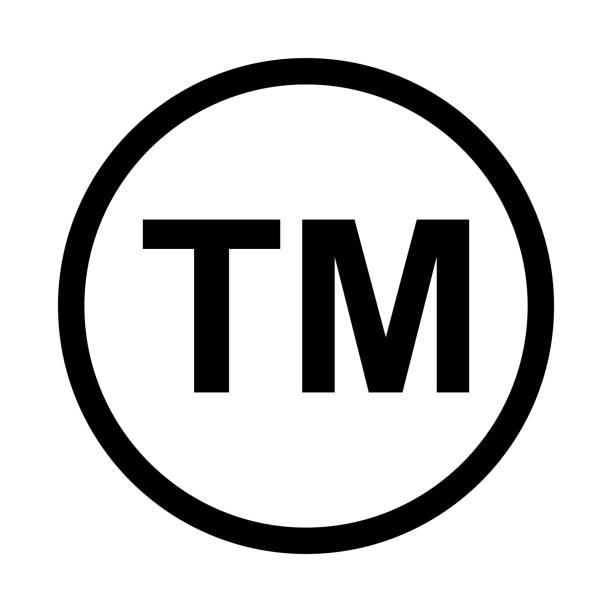
تسجيل الولاية يحمي العلامة داخل حدودها التي تم تسجيلها فيها. وتحمي العلامات التجارية الخاصة بالولاية أصحابها من الاستخدام غير المصرح به للكلمات أو العبارات أو الرموز. كما يوفر الحماية ضد عناصر هوية علامتك التجارية الفريدة والمخصصة لمنتجك أو خدمتك. إذا كان لدى الشركة أي خطط لنقل الأعمال إلى ولاية أخرى أو دوليًا، فلن تكون العلامة التجارية للولاية مفيدة جدًا. إذا كنت تخطط لتسجيل علامة تجارية للولاية، فعليك ملاحظة أنك لن تتمكن من استخدام الرمز المسجل ®. ستتمكن إما من استخدام TM أو SM للعلامات التجارية وعلامات الخدمة على التوالي. راجع هذه المدونة للحصول على مزيد من التفاصيل حول الرموز التي يجب استخدامها
https://www.easy-trademarks.com/en/details/What-symbol-should-i-use-for-my-Trademark
عملية تسجيل العلامة التجارية للولاية ومتطلباتها:
لتسجيل علامة تجارية للولاية، يجب على المتقدمين تقديم طلب بشكل العلامة التجارية. فيجب أن تتوقع أن تدفع ما بين 15.00 دولارًا و 70.00 دولارًا لرسوم الإيداع. تراجع الدول طلب التعارض في قواعد بياناتها. تعد تطبيقات العلامات التجارية للولاية أسرع بكثير من تسجيل العلامات التجارية الفيدرالية.
إيجابيات وسلبيات إيداع العلامات التجارية للولاية في الولايات المتحدة:
أولا: - إيجابيات تسجيل العلامات التجارية للولاية في الولايات المتحدة:
- بأسعار معقولة في متناول اليد.
- السهولة في التسجيل.
- تصبح حقوق العلامات التجارية سارية عند استخدام علامة تجارية.
ثانيا: - سلبيات تسجيل العلامات التجارية للولاية في الولايات المتحدة:
- الحماية مقصورة على دولة معينة.
- القدرة على رفع الدعاوى محدودة.
التسجيل او عدم التسجيل:
قد تكون العلامة التجارية للولاية خيارًا جيدًا إذا كنت تقوم بأعمال داخل الولاية فقط ولا تنوي التوسع. وستضيف الولاية علامتك إلى قاعدة بياناتها، وتظهر علامتك على أنها مسجلة ومملوكة لك، فهذا يمنع الآخرين من استخدام علامتك التجارية.
ما هو الفرق بين العلامات التجارية الفيدرالية والعلامات التجارية للولاية في الولايات المتحدة؟
هناك أربعة اختلافات رئيسية بين العلامات التجارية الفيدرالية والعلامات التجارية للولاية:
1 - نطاق الحماية:
يتمثل الاختلاف الأكثر وضوحًا في نطاق الحماية حيث تحمي العلامة التجارية للولاية مالك العلامة التجارية داخل الولاية بينما تكون العلامة التجارية الفيدرالية منتشرة في جميع أنحاء الولايات المتحدة وأقاليمها.
- سلطة إصدار العلامات التجارية:
يتم فحص العلامات التجارية الفيدرالية وإصدارها من قبل مكتب الولايات المتحدة الأمريكية للبراءات والعلامات التجارية، وهي وكالة فيدرالية لمنح براءات الاختراع الأمريكية وتسجيل العلامات التجارية بما يتماشى مع المادة الأولى، القسم 8، البند 8، من دستور "تعزيز تقدم العلوم والفنون المفيدة" ، فمن خلال تأمين الحق الحصري للمؤلفين والمخترعين في كتاباتهم واكتشافاتهم لفترات محدودة. يمكن الرجوع إلى موقع USPTO لمزيد من المعلومات. من ناحية أخرى، يتم إصدار العلامات التجارية الخاصة بالولاية والموافقة عليها من قبل سكرتير الشؤون الداخلية في الولاية التي تسعى للحصول على الحماية فيها.
- متطلبات التسجيل
يتطلب تسجيل العلامات التجارية الفيدرالية وجود علامة تجارية أو نية لاستخدامها داخل حدود الولاية أو خارجها (دوليًا).
- الشرعية المستمدة
يوفر تسجيل العلامات التجارية الفيدرالية لمالك العلامة التجارية (مقدم الطلب) المدرج في تسجيل العلامات التجارية في الولايات المتحدة ملكية وصلاحية تسجيل العلامات التجارية. بينما من ناحية أخرى، نظرًا لأن تسجيلات العلامات التجارية للولاية لا تستلزم فحصًا فيدراليًا إذا كانت العلامة الفيدرالية موجودة قبل ذلك، فإن العلامة التجارية للولاية غير صالحة. ولذلك، فإن امتلاك تسجيل علامة تجارية فدرالي مدعوم وله وزن أكبر بكثير في المحاكم من العلامات التجارية التابعة للولاية.
المخاطر المشتركة بين العلامات التجارية الفيدرالية والخاصة بالولاية في الولايات المتحدة الأمريكية
- الافتراض بأن موافقة الولاية على علامة تجارية كافية وتلقائية لتوافر العلامة التجارية (افتراض الصلاحية)
- الإيداع المبكر للعلامة التجارية وحمايتها
- استخدام أساس خاطئ عند إيداع علامة تجارية فيدرالية
- استخدام رمز خاطئ لتعيين طلب علامة تجارية أو تسجيل علامة تجارية
- بافتراض أن السجل التجاري (تسجيل اسم تجاري يعادل تسجيل علامة تجارية)
العلامات التجارية الدولية

تشير العلامة التجارية الدولية إلى مجموعة من حقوق العلامات التجارية عبر ولايات قضائية متعددة. تختلف هذه الحقوق من ولاية قضائية إلى أخرى وليست مترابطة. على الرغم من اختلاف حقوق العلامات التجارية في الاعتراف والتنفيذ في ولايات قضائية مختلفة، فإن إجراءات الإيداع هي نفسها.
يمتلك مالكو العلامات التجارية خيار تسجيل علاماتهم التجارية في ولايات قضائية متعددة باستخدام تطبيق موحد. يتم تقديم الطلب عبر نظام مركزي من قبل المكتب الدولي للمنظمة العالمية للملكية الفكرية (الويبو).
عملية التسجيل ومتطلباته:
يوجد نظام لتسجيل العلامات التجارية الدولية يسمى بروتوكول مدريد أو نظام مدريد. تقع في جنيف، سويسرا، وتديرها الويبو. يمنحك نظام مدريد القدرة على حماية العلامة التجارية في العديد من البلدان من خلال التقدم بطلب إلى بلدك. العلامات التجارية في الولايات المتحدة صالحة في نظام مدريد، وتطبيقها أو تسجيلها ينطبق على البلدان التي تحددها. يبسط نظام مدريد إدارة العلامات التجارية وعلامات الخدمة الخاصة بك، حيث يمكن تسجيل التغييرات والتجديدات مباشرة، بدلاً من إجراء تغييرات في كل بلد.
الإيجابيات:
- السماح لأصحاب العلامات التجارية بتسجيل علامتها التجارية في ولايات قضائية متعددة في وقت واحد
- فترات الفحص الثابتة تجعل عملية الفحص قابلة للتنبؤ
- يمكن أن تمتد إلى البلدان غير المدرجة أصلا.
- يمكن تجديده في جميع البلدان المعنية بإيداع إلكتروني واحد من خلال نظام مدريد
سلبيات:
- مكلفة
- يتطلب محامياً
- يبدو أرخص ولكنه أغلى ثمناً بسبب عدم التنسيق في القوانين المحلية
للتسجيل أو عدم التسجيل
إذا كنت تبيع عبر الإنترنت، فيمكن للعملاء الدوليين عرض منتجاتك ذات العلامات التجارية. لذا، يعد التسجيل دوليًا خيارًا جيدًا لتوسيع نطاق وصولك. ويعد استخدام عملية تسجيل العلامات التجارية الدولية طريقة جيدة للقيام بذلك والوصول إلى بلدان متعددة بسرعة، ولكن اعتمادًا على عملك و استراتيجيتك، فيمكن أن يتغير نوع التسجيل والاختصاصات القضائية لتسجيل العلامة التجارية. ومن الأفضل التواصل مع مستشار استراتيجي في مجال الملكية الفكرية أو إلى محام.
إذا كنت تبحث عن استشارة تواصل معنا على help@easy-trademarks.com ويمكن أن نقدم لك شبكتنا من المستشارين الموثوق بهم.
إذا كنت ترغب في الحصول على قائمة بالموارد الأخرى عبر الإنترنت، فارجع إلى:
- مقدمة في قانون العلامات التجارية بجامعة هارفارد
- قانون لانهام ، 15 U.S.C. §§ 1051 وما يليها.
- صفحة مكتب براءات الاختراع والعلامات التجارية الأمريكية بشأن العلامات التجارية
- قائمة كلية الحقوق بجامعة كورنيل بمواد العلامات التجارية
- دليل الرابطة الدولية للعلامات التجارية لأساسيات العلامات التجارية
easytrademarks
Empowering Innovation